
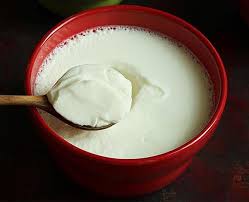
Why Should You Not Overeat Curd? (APARNA MUKHERJEE) (हिंदी में भी उपलब्ध)
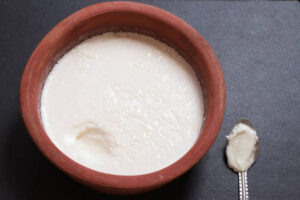
While the benefits of curd are numerous, it is important to be mindful of potential side effects:
Who does not love to relish curd? It is a sweet treat that most people love to indulge in after their meals. If you are fond of eating curd and if you consume large amounts of curd, then you should check on your overeating habits.
In certain conditions, you should not eat curd. If you do so, it can give negative reactions to your body. Let us find out in this article in what conditions curd should not be consumed in large amounts.
Negative Effects Of Over Consuming Curd
👉 Some people may be allergic to dairy products, which includes curd. Symptoms of an allergic reaction can include:
🔸 Itching,
🔸Swelling, and
🔸Difficulty breathing.
If you suspect an allergy, it is important to avoid curd and consult a healthcare provider.
👉 Individuals who are lactose intolerant may experience bloating and gas after consuming curd. In such cases, opting for other alternatives may be a better choice.
👉 Some people believe that curd can lead to increased production of mucus, especially in people with asthma or sinusitis. If you experience the same, limit the intake of curd.
👉Curd is known for its cooling properties which can aggravate cold symptoms in some people, especially when it is consumed at night or in cold weather. It is advisable to consume curd during the day and avoid it if you are prone to respiratory issues.
👉 Although curd can manage your weight effectively, consuming it in large quantities, especially full-fat curd, can contribute to weight gain. Hence, moderation is key to reaping the benefits of curd without overeating it.
Final Thoughts
Curd is a versatile sweet dish which is packed with nutrition. As you consume curd, make sure to check the proportion for the benefit of your health.
————————————————————-
आपको दही ज़्यादा क्यों नहीं खाना चाहिए? (अपर्णा मुखर्जी) (हिंदी में भी उपलब्ध)
वैसे तो दही के कई फायदे हैं, लेकिन इसके संभावित साइड इफेक्ट्स के बारे में भी पता होना ज़रूरी है:
दही खाना किसे पसंद नहीं है? यह एक मीठा व्यंजन है जिसे ज़्यादातर लोग खाने के बाद खाना पसंद करते हैं। अगर आपको दही खाना पसंद है और आप बहुत ज़्यादा दही खाते हैं, तो आपको अपनी ज़्यादा खाने की आदत पर ध्यान देना चाहिए।
कुछ खास स्थितियों में आपको दही नहीं खाना चाहिए। अगर आप ऐसा करते हैं, तो यह आपके शरीर पर नेगेटिव रिएक्शन दे सकता है। आइए इस आर्टिकल में जानते हैं कि किन स्थितियों में दही ज़्यादा मात्रा में नहीं खाना चाहिए।
ज़्यादा दही खाने के नेगेटिव असर
👉 कुछ लोगों को डेयरी प्रोडक्ट्स से एलर्जी हो सकती है, जिसमें दही भी शामिल है। एलर्जी के रिएक्शन के लक्षणों में शामिल हो सकते हैं:
🔸 खुजली,
🔸 सूजन, और
🔸 सांस लेने में दिक्कत।
अगर आपको एलर्जी का शक है, तो दही खाने से बचना और डॉक्टर से सलाह लेना ज़रूरी है।
👉 जिन लोगों को लैक्टोज इनटॉलेरेंस है, उन्हें दही खाने के बाद पेट फूलने और गैस की समस्या हो सकती है। ऐसे मामलों में, दूसरे ऑप्शन चुनना बेहतर हो सकता है।
👉 कुछ लोगों का मानना है कि दही से बलगम ज़्यादा बन सकता है, खासकर अस्थमा या साइनस वाले लोगों में। अगर आपको भी ऐसा होता है, तो दही का सेवन कम करें।
👉 दही अपनी ठंडक देने वाली प्रॉपर्टीज़ के लिए जाना जाता है जो कुछ लोगों में सर्दी के लक्षणों को बढ़ा सकता है, खासकर जब इसे रात में या ठंडे मौसम में खाया जाता है। सलाह दी जाती है कि दही दिन में खाएं और अगर आपको सांस की समस्या है तो इसे खाने से बचें।
👉 हालांकि दही आपके वज़न को कंट्रोल कर सकता है, लेकिन इसे ज़्यादा मात्रा में, खासकर फुल-फैट दही खाने से वज़न बढ़ सकता है। इसलिए, दही के फायदों का लाभ उठाने के लिए इसे ज़्यादा खाने से बचना ज़रूरी है।
आखिरी बात
दही एक वर्सेटाइल मीठा व्यंजन है जो पोषण से भरपूर है। जब आप दही खाएं, तो अपनी सेहत के फायदे के लिए इसकी मात्रा का ध्यान रखें।